News & Information Blog
Practical safety insights, best practices, and industry updates for manufacturing and construction professionals.

Efficient Investigations of Safety Observations
An effective safety observation process doesn't stop at reporting-it turns insight into action. By enabling collaboration, identifying root causes, assigning accountability, and verifying completion, organizations can ensure hazards are not just addressed, but prevented from recurring, while keeping everyone engaged in the process.
Continue reading
Make Safety Observations Visible
When employees don't see results, they assume nothing happened-and that perception can quietly erode your safety culture. By making safety observations visible, tracking progress, and showing outcomes, you reinforce trust, demonstrate accountability, and turn reporting into a meaningful, ongoing part of workplace safety.
Continue reading
Benefits of Safety Observations
A strong safety culture starts with making it easy, and safe, for employees to speak up. When reporting is fast, accessible, transparent, and even anonymous if needed, organizations unlock the full potential of their workforce to identify and prevent hazards before incidents occur.
Continue reading
Americans with Disabilities Act and Your Work Place
ADA compliance isn't about checking a list-it's about understanding impact. By focusing on how a condition affects an employee’s ability to perform major life activities, and balancing that with reasonable accommodations, organizations can support their workforce while maintaining operational effectiveness.
Continue reading
Speed Reading Safety Data Sheets
Taking over a neglected safety program can feel overwhelming-but it's also an opportunity to rebuild it the right way. By systematically inventorying chemicals, aligning Safety Data Sheets, and focusing first on the highest-risk exposures, you can quickly move from chaos to control. A structured approach turns a mountain of information into a clear, prioritized path forward-so you can protect employees while building a sustainable safety system.
Continue reading
National Stafety Month - 2021 - What Was Learned In the Past Year?
Change is rarely comfortable, but it can be transformative. The past few years revealed that organizations capable of embracing transparency, focused communication, and employee-driven solutions are better positioned to adapt and grow. Instead of returning to old inefficiencies, this is an opportunity to build a stronger, more connected safety culture moving forward.
Continue reading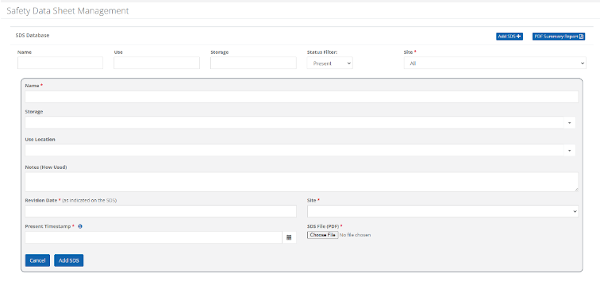
National Stafety Month - 2021 - Feeling Safe In Your Workplace
Real safety isn't about reassurance-it's about knowing. When hazards aren't fully identified or understood, employees may *feel* safe while still being at risk. Strong systems-like accessible, well-managed Safety Data Sheets and clear hazard communication help close that gap, turning uncertainty into informed protection.
Continue reading
National Stafety Month - 2021 - Returning From COVID
Workplace expectations have shifted-and so have employee priorities. As organizations navigate the return to work, flexibility and creative policies (like pet-friendly environments) can play a meaningful role in attracting, retaining, and supporting a more engaged workforce.
Continue reading
National Stafety Month - 2021
Prevention doesn't have to be complicated—it just has to be embedded in everyday work. When employees can quickly report hazards, leaders can act in real time, and data is automatically captured, safety shifts from reactive response to proactive protection-one observation at a time.
Continue reading
National Stand Down to Prevent Falls in Construction Week
Falls remain one of the deadliest risks in construction-but they're also one of the most preventable. Events like the National Safety Stand-Down help refocus attention on fall hazards, reinforce best practices, and empower workers to speak up before a preventable incident becomes a tragedy.
Continue reading